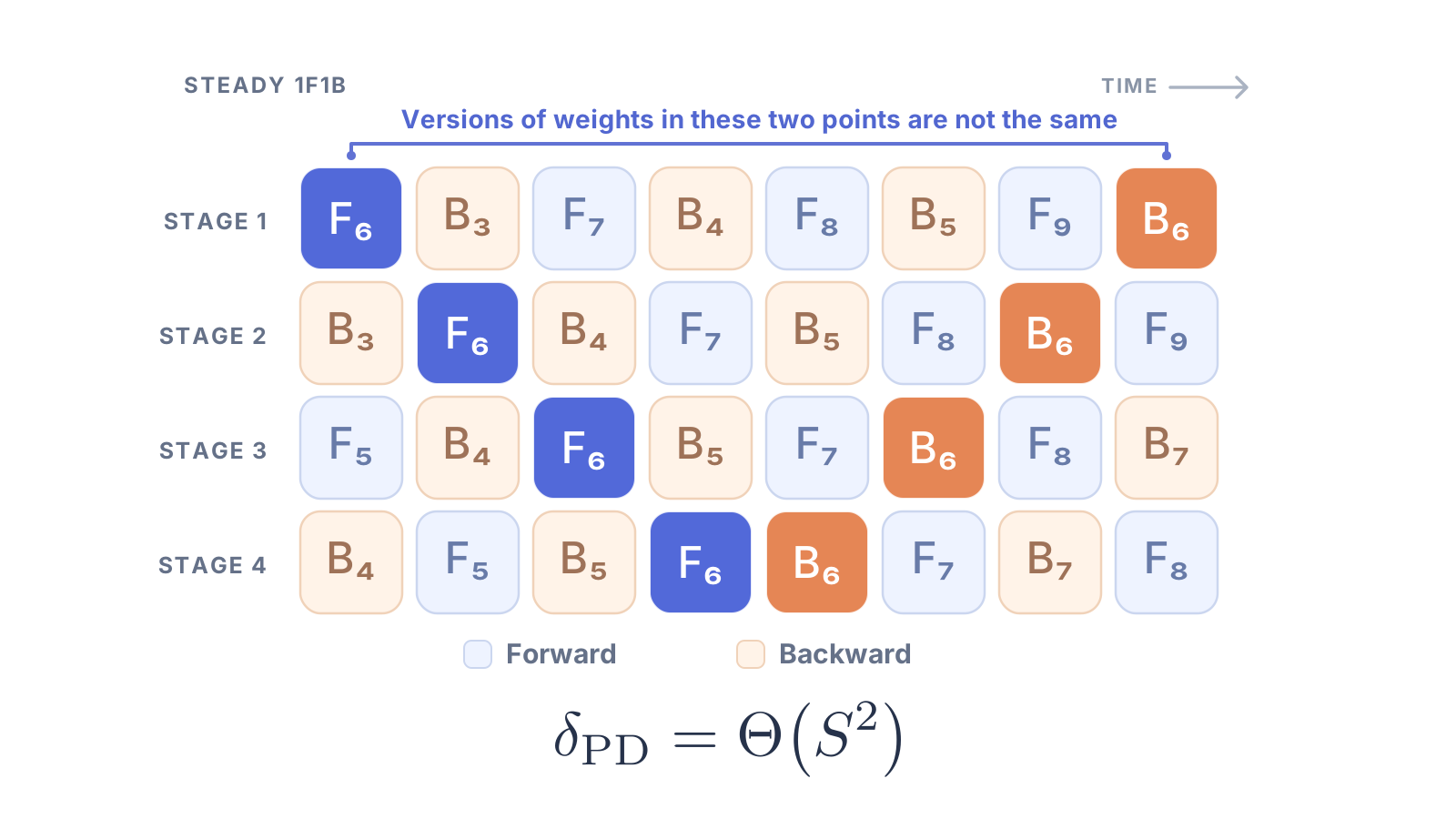
First Theory for PipeDream
Randomized PipeDream captures PipeDream's stale-weight behavior in an analyzable block-SGD model, revealing how pipeline depth affects convergence.
Research implementations, open-source tools, engineering builds, and educational projects. Each page preserves public code, articles, videos, and project links.
Randomized PipeDream captures PipeDream's stale-weight behavior in an analyzable block-SGD model, revealing how pipeline depth affects convergence.
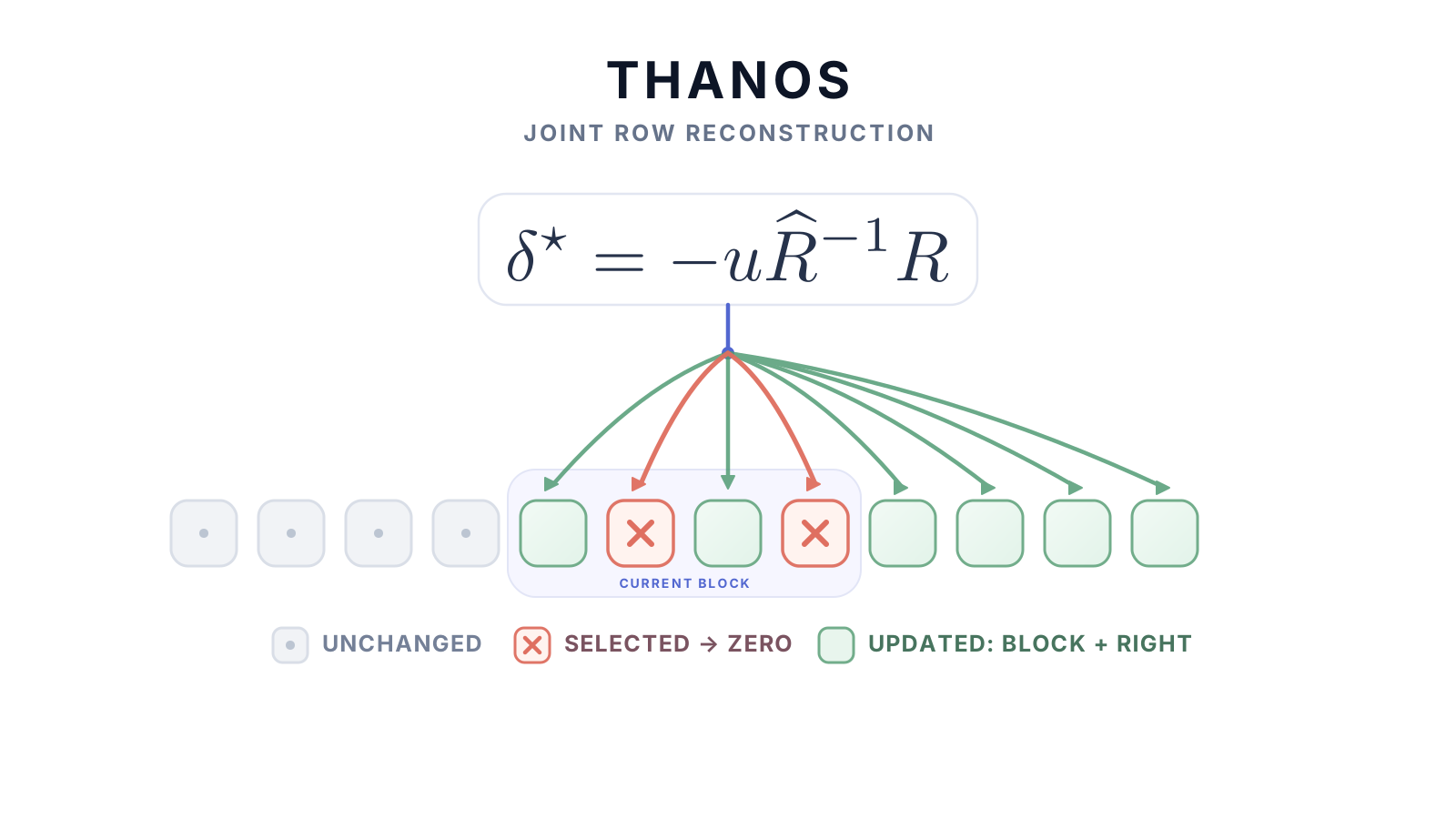
A block-wise algorithm for pruning large language models using second-order information and coordinated weight compensation.
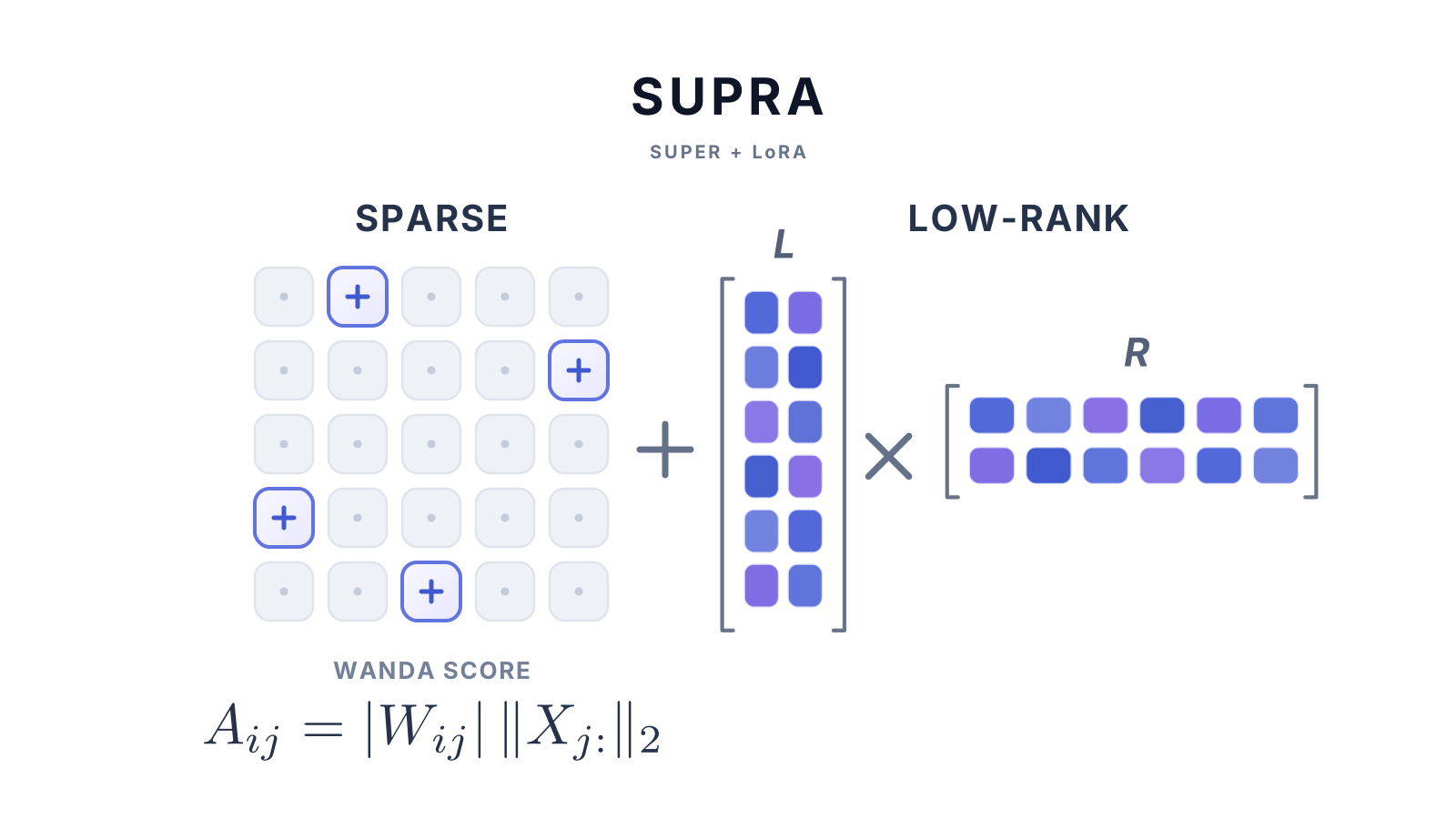
We introduce Super, which selects a sparse trainable support using activation-aware pruning scores, and Supra, a matched-budget sparse-plus-LoRA adapter.
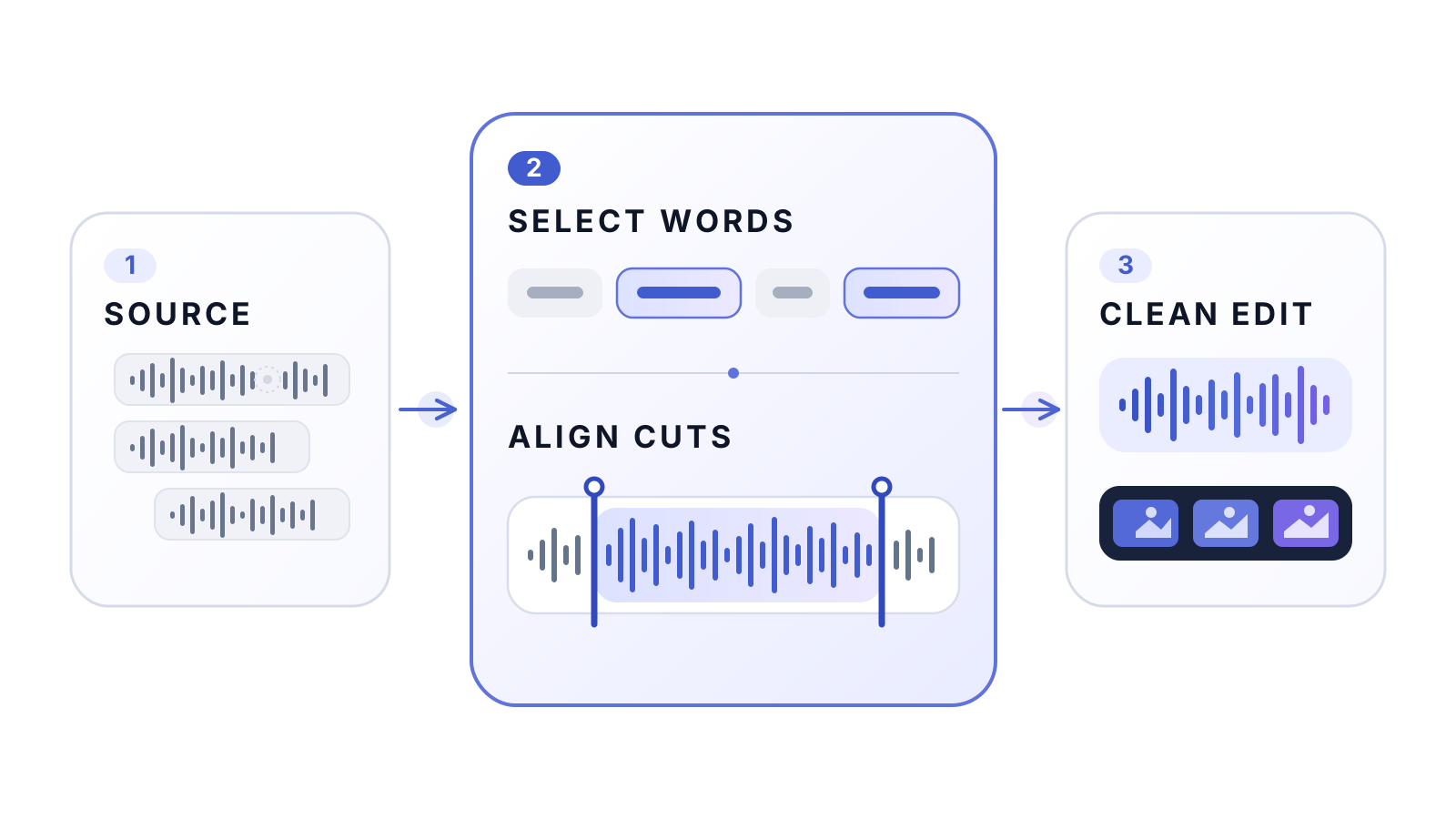
An open-source, local-first tool that turns retake-heavy narration into a clean audio or video edit while preserving the speaker's real voice.
A visual mathematics school that became my first successful business—and then a long-running experiment in AI-assisted education.
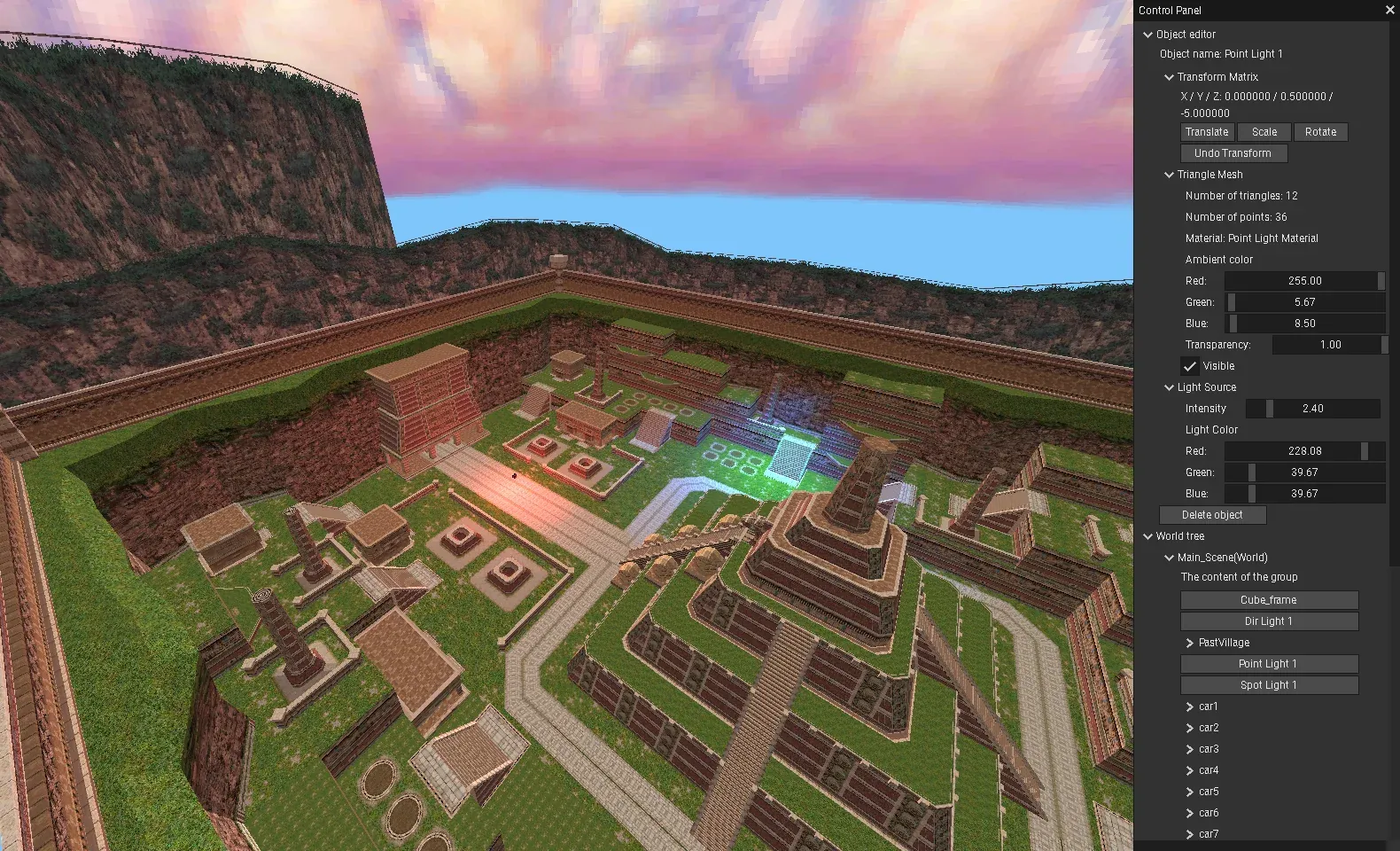
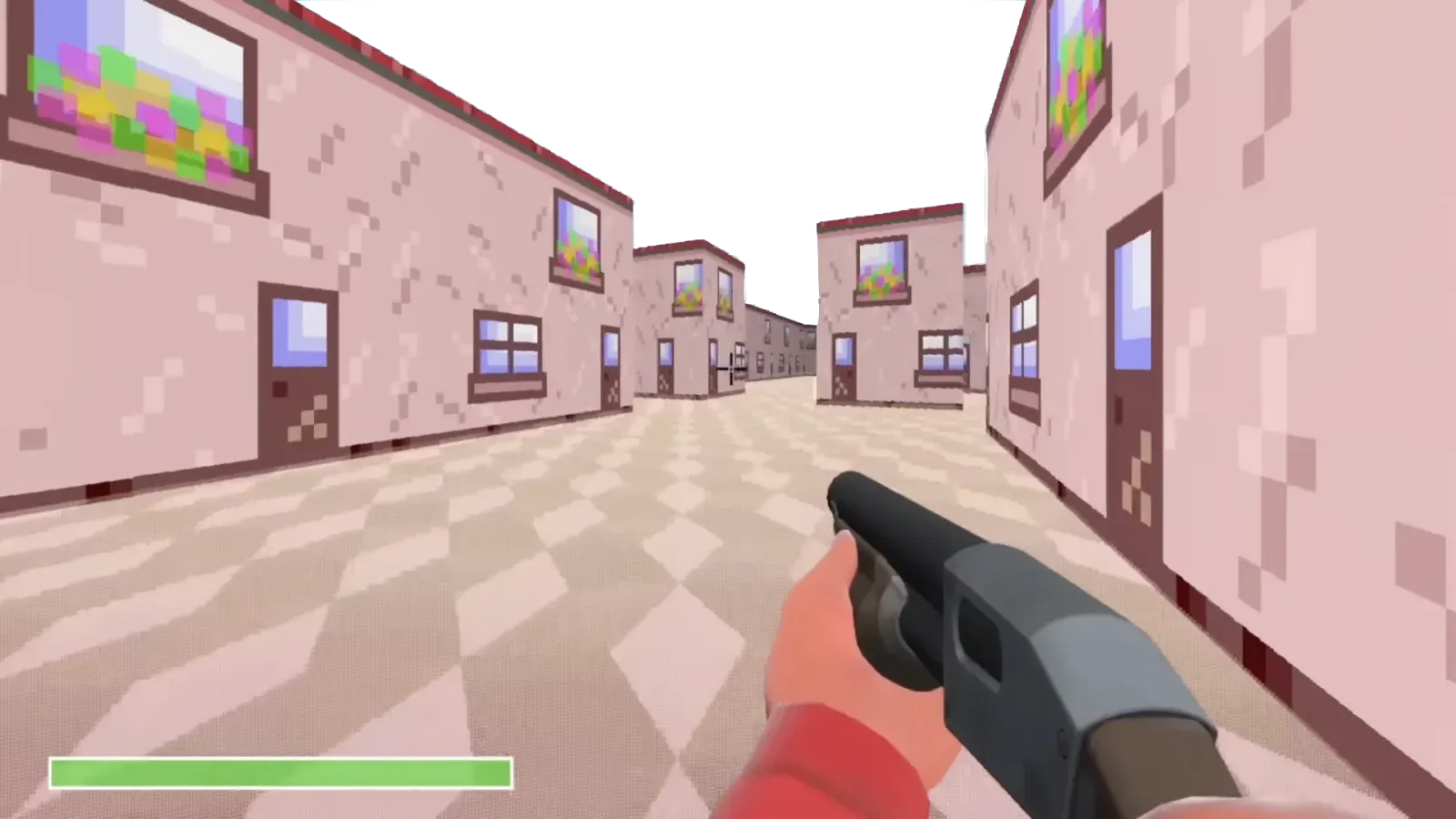
A custom CPU-rendering experiment that grew from a C++ course project into a lightweight game engine and a downloadable online FPS.
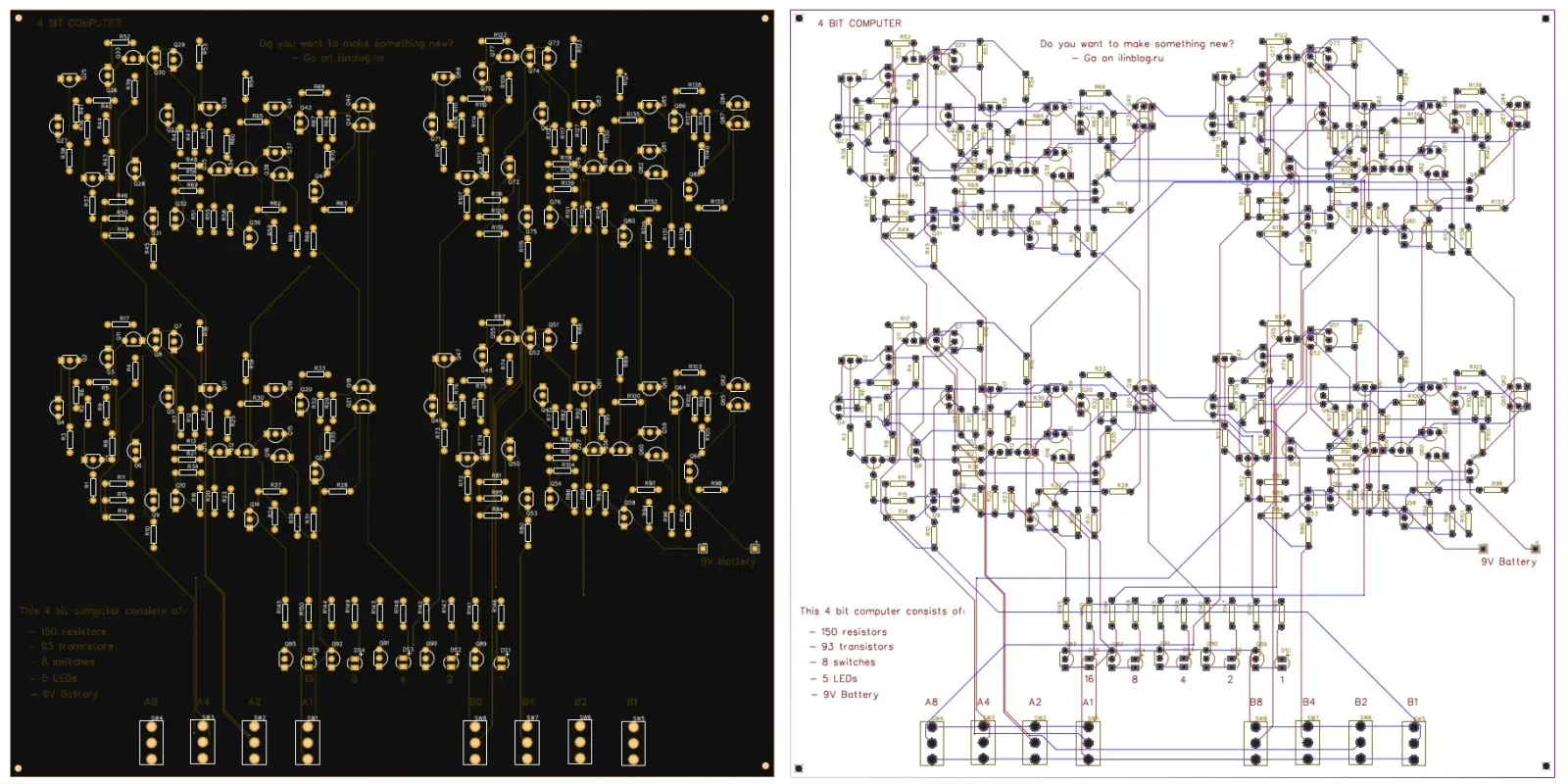
A hand-soldered binary calculator built from discrete transistors—from Boolean logic and a faulty one-bit prototype to a working four-bit PCB.
A custom C++ ray-casting engine that turned a 2D map into a textured online FPS—with recursive mirrors, reflected gunfire, OBJ maps, and genetic-algorithm bots.
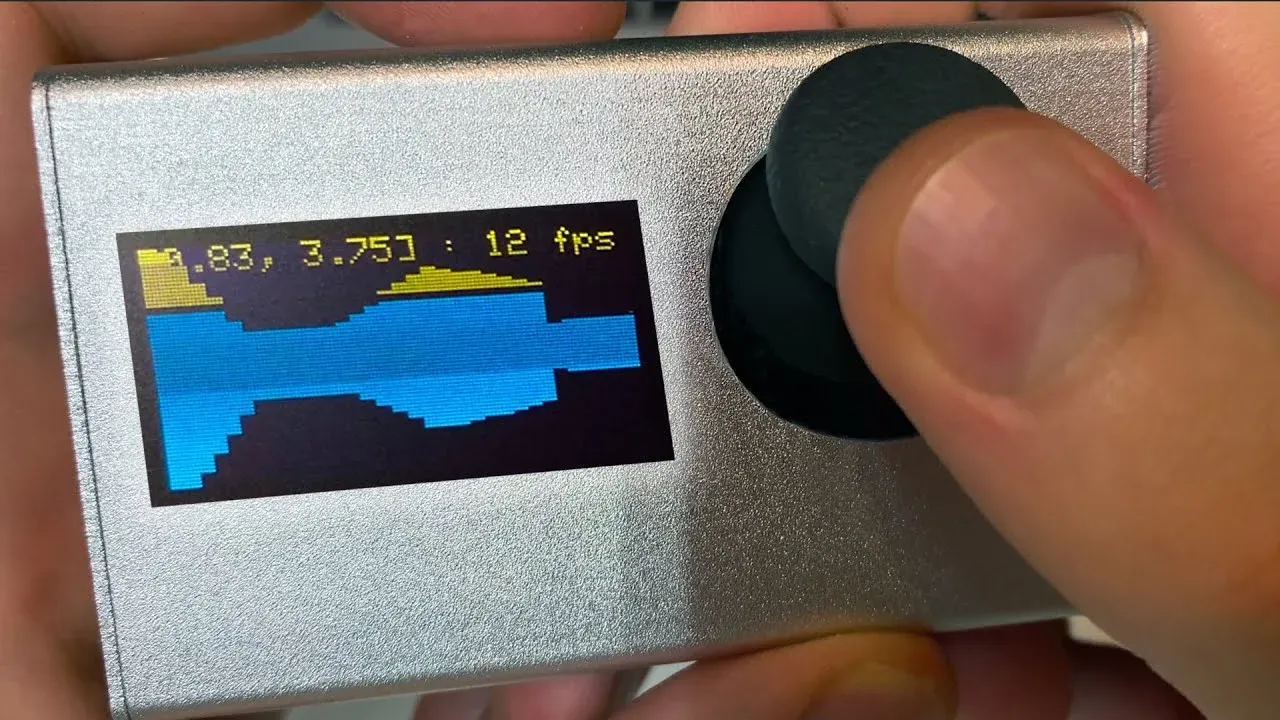
A pocket console with one joystick, a 128×64 OLED, a homemade PCB, and three games—including a tiny ray-cast 3D engine.
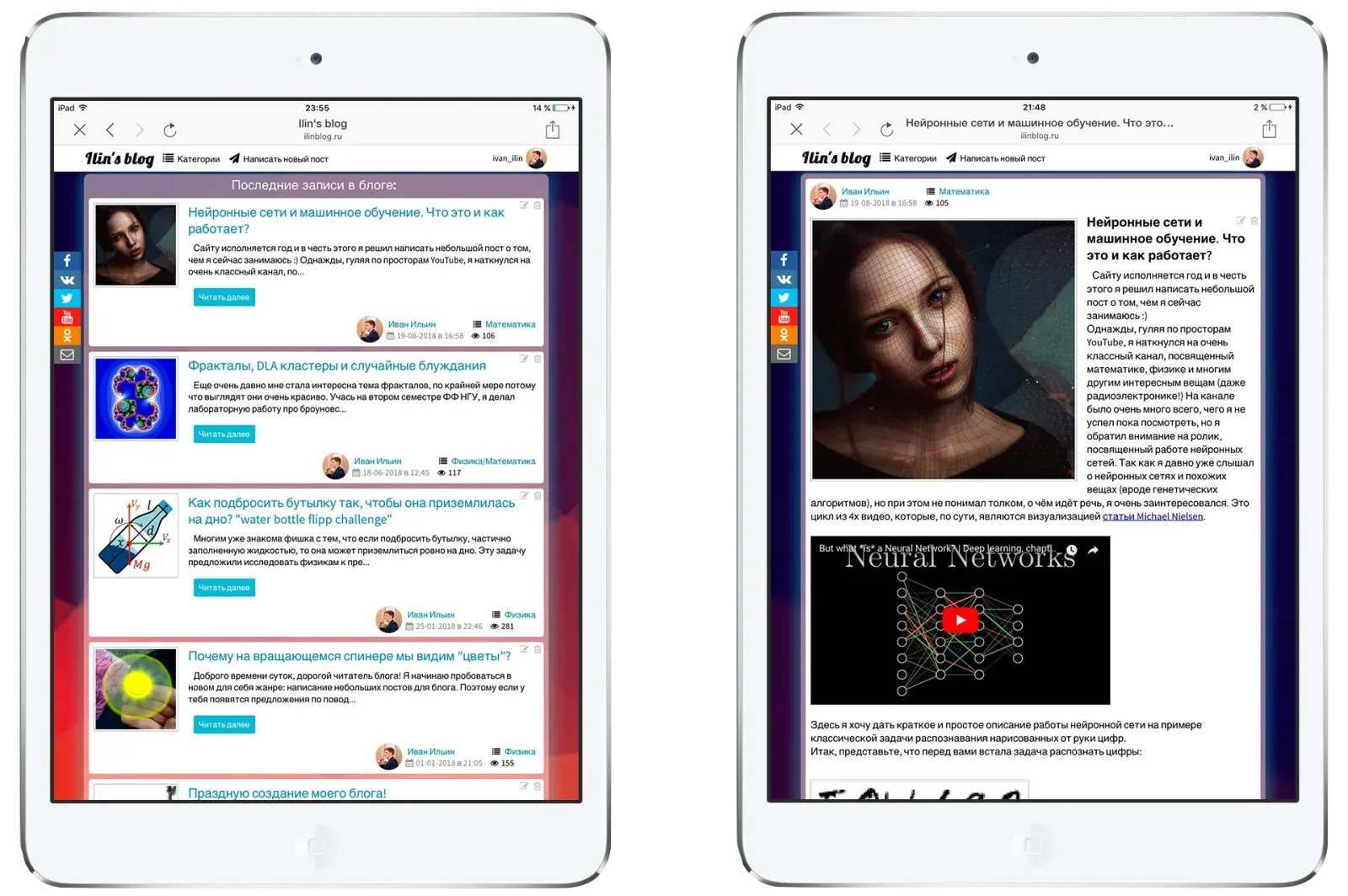
A hand-built 2017 PHP and MySQL science blog that became a workshop for physics, programming, electronics, and learning in public—now preserved as a static archive.
How a student science blog grew into a Russian-language channel built around one rule: make the project first, then explain what it taught me.